Why Vetting a Buyer Matters
We know that figuring out how to choose a cash home buyer can feel overwhelming. The dividing line between a smooth transaction and a stressful ordeal is just a little bit of upfront diligence.
Most cash buyers operate legitimate businesses. A few operate with hidden agendas.
Our goal is to help you understand exactly who is making the offer. If you are comparing options for selling your Minneapolis house as-is, use this as your baseline checklist.
We will walk through the exact questions to ask and the cash buyer red flags to take seriously. Every helpful tip here is designed to protect your equity.
Question 1: Who Is the Contractual Buyer?
The contractual buyer is the person or company that signs the purchase agreement and takes legal responsibility for the transaction. You must verify that the name on the paperwork matches the person you are talking to.
Our team always puts the exact purchasing entity on our written offers. Other buyers might structure things differently, falling into a few common categories:
- Direct Local Buyers: These are businesses purchasing the home to hold or renovate.
- National iBuyers: Companies like Opendoor use automated valuation models to make offers across the United States.
- Wholesalers: These individuals contract the home and then sell that contract to a final investor.
We recommend asking directly about their business model. You can read more about Ryan Quade to see how a direct buyer operates.
Question 2: Can the Contract Be Assigned?
An assignment clause lets the initial buyer transfer the purchase contract to a completely different end buyer before closing. You need to know if your buyer plans to assign the contract to someone else.
We see this practice constantly in the wholesaling industry. A wholesaler signs your house under contract and then assigns it to a real cash buyer for a fee. Recent industry data shows the national average assignment fee is around $13,000 per deal.
Wholesaling is perfectly legal, but it introduces specific risks for a seller:
- Buyer Bait and Switch: You end up dealing with a completely different person than expected.
- Timeline Delays: The average wholesale deal takes 15 to 30 days to close while they hunt for an investor.
- Fall-Through Risk: The entire deal collapses if the wholesaler cannot secure an end buyer.
Our contracts are designed for us to purchase the home directly. Look closely for phrases like “and/or assigns” next to the buyer’s name on your paperwork. Ask the buyer what happens to the earnest money if an assignment fails.
Question 3: Can You Show Proof of Funds?
A true cash buyer must provide official documentation showing they have the liquid assets to cover the full purchase price. You should demand this proof before taking your home off the market.
Our standard practice is to provide clear financial verification immediately. You want to see a recent bank statement or a formal letter of financial capability from a recognized banking institution. Hard money lenders can print out a proof of funds letter without even checking the buyer’s credit. A generic letter from an unknown lending website does not guarantee the buyer actually has cash on hand.
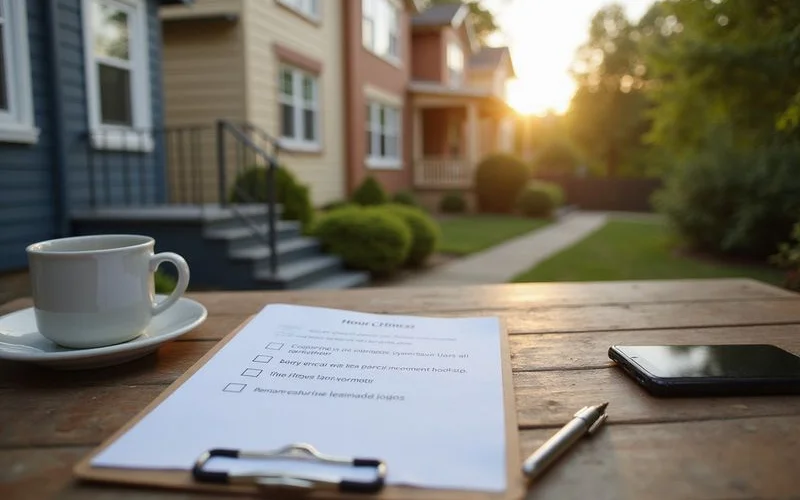
We suggest calling the financial institution directly to verify the document. The bank contact information should match public records. Do not rely on a screenshot of an account balance, as those are easily altered.
Question 4: Which Title Company Will Close?
Legitimate cash sales close through a licensed title company or a real estate attorney. This third party protects both the buyer and the seller during the transaction.
Our closings always happen at a reputable local title company to ensure a safe transfer of funds. This third party holds the earnest money and searches the property history. They also pay off your existing mortgage and issue a final settlement statement.
Wire fraud is a massive threat in modern real estate transactions. The FBI reports that nearly $1 billion is intercepted from home sellers and buyers annually through email scams. To protect yourself from title and wire fraud, follow these steps:
- Verify the Company: Ensure the title company has a physical office and a valid state license.
- Call to Confirm: Always call the title company at a known, public phone number before wiring or accepting any funds.
- Avoid Buyer-Controlled Escrow: Be highly suspicious if a buyer insists on paying you directly or using an unverified escrow service.
We encourage sellers to pick a title company they already trust. You have the right to select the closing agent.
Question 5: What Contingencies Apply?
Contingencies are specific conditions that allow a buyer to cancel or renegotiate the contract without losing their deposit. You need to know the exact timeline for each escape clause.
Our offers typically feature minimal contingencies to ensure a fast closing. In a standard financed sale, a mortgage contingency can drag on for 21 to 30 days. True cash buyers skip the financing contingency entirely.
They might ask for a brief inspection period, which usually lasts 7 to 10 days. If an investor asks for a 30-day contingency window, they are likely wholesaling the property.
Our guide on offer contingencies and closing responsibilities details how these clauses function. Check the contract to see exactly how many days the buyer has to back out.
Red Flags to Watch For
Some aggressive investors use deceptive tactics that mimic legitimate business practices. Recognizing these warning signs early can save you from a ruined sale or financial loss.
We watch the local market closely and regularly hear from homeowners who encountered predatory tactics. One of the most severe is the “rent-back” or sale-leaseback scheme, often disguised as a “we buy houses scam.” The Federal Trade Commission continually warns against operations that convince struggling homeowners to sign over their deed with a false promise of renting the house back.
| Red Flag | Why It Is a Concern |
|---|---|
| A price drop right before closing | The buyer is using a bait-and-switch tactic, not responding to a real surprise. |
| The “rent-back” deed transfer | The FTC identifies this as a common foreclosure rescue scam ending in eviction. |
| Pressure to sign immediately | Legitimate buyers do not force you to sign a contract in an hour. |
| Vague contingency timelines | A 30-day inspection period leaves room for the buyer to quietly walk away. |
| No verifiable proof of funds | Hard money letters without credit checks do not guarantee cash availability. |
| Skipping the title company | This removes your legal protections and increases the risk of wire fraud. |
| Upfront fees from the seller | Legitimate cash buyers never charge a seller an upfront fee. |
| Promises to fix credit | No real estate investor can legally guarantee a change to your credit score. |
Take your time
A fair buyer will give you room to read the contract, ask questions, and talk to an attorney or family member. If someone discourages that, consider it a warning.
Questions to Ask Ryan, or Anyone Else
Figuring out how to choose a cash home buyer comes down to asking the right questions. A transparent buyer will gladly answer direct questions about their process and pricing.
Our team is ready to provide clear answers to every single item on this list.
- Who is the contractual buyer, and can the contract be assigned?
- Can you show an official bank letter for proof of funds?
- What comparable sales and repair scope dictate your offer price?
- Which closing costs will I pay out of pocket?
- What contingencies apply, and how long do they last?
- Which licensed title company will handle the closing?
- What happens to the earnest money if either of us cancels?
Check Their Background Too
You must verify the business history of any investor making an offer on your home. Look for a verifiable track record and a real local presence.
Our business is new, and we are completely upfront about that fact rather than borrowing credentials we do not have. Ryan Quade grew up in Shoreview and attended Summit Academy, giving his work a personal connection to the Twin Cities.
Many companies advertise decades of history or fake awards that you cannot verify anywhere else. Search for the business name in state registries to confirm they are legally registered to operate.
Check county property records to see if the entity has actually purchased homes in the area recently.
If a buyer passes these checks, you can move forward with confidence. If you are ready for a straightforward conversation about selling your property, reach out to our team today.
This guide is general information, not legal, tax, or financial advice. Rules change, so confirm current requirements with the official source or a qualified professional.