Why the Walkthrough Matters
We often hear from homeowners that the initial walkthrough feels like a high-stakes test they are unprepared to take. That anxiety is completely normal when you are unsure about the true condition of your property.
Our team understands this stress personally. Growing up in Shoreview and attending Summit Academy gave our founder, Ryan Quade, a deep appreciation for Twin Cities homes and the people living in them.
You should know that this visit is not a white-glove inspection designed to point out every flaw.
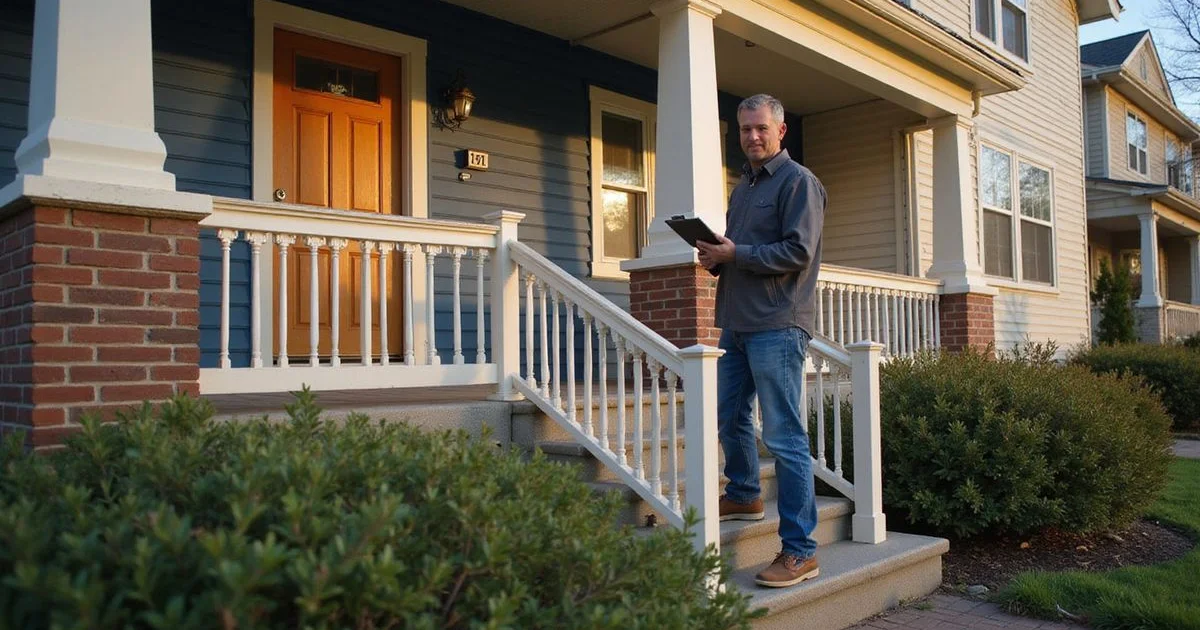
This quick tour simply provides a practical look at the condition of the home so buyers can estimate the repair scope.
If you are planning to sell your house as-is, knowing exactly what happens behind the scenes can remove a lot of that pressure. Let’s break down what cash buyers look for during a walkthrough, the hidden red flags we spot, and how those findings shape your final offer.
What a Cash Buyer Looks At
Roof
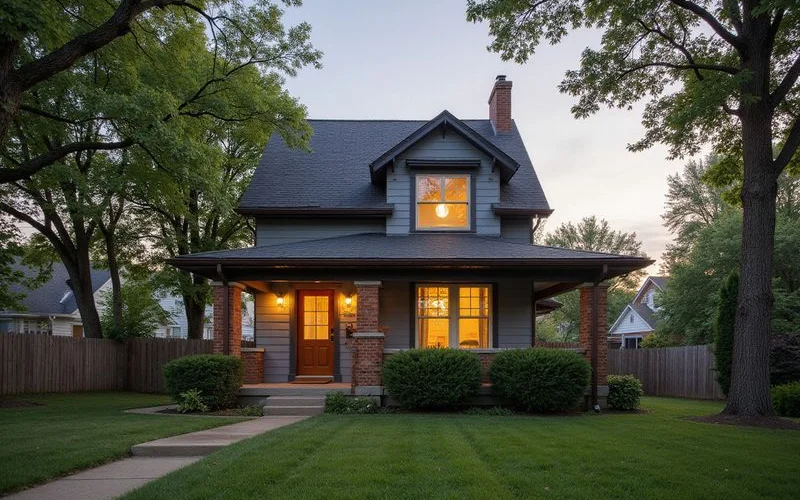
We always start by looking upward when assessing a property. A compromised roof is one of the biggest single cost items a new buyer will face.
The average asphalt roof replacement in Minnesota runs between $9,000 and $22,000 in 2026. This steep price tag means buyers pay close attention to the age of the shingles, sagging ridge lines, and the condition of the flashing.
Our inspectors also check for any signs of leaks or ice dams inside the attic. Winter snow can sometimes hide exterior damage in Minneapolis. Missing shingles might just mean a minor repair deduction, but a spongy roof deck usually signals a complete replacement is necessary.
Foundation and basement
We pay special attention to the structural integrity of the lowest level. Minneapolis homes feature a variety of stone, block, or poured foundations that each age differently.
Hydrostatic pressure from surrounding soil frequently causes foundation walls to bow inward. Repairing these bowing walls with carbon fiber straps or steel anchors typically costs between $4,000 and $10,000.
Our team looks closely for horizontal cracks, moisture intrusion, and efflorescence on the block walls. A working sump pump and proper exterior drainage are critical for keeping these repair costs down. Older limestone foundations require special tuckpointing, which also factors into the total repair estimate.
Mechanical systems
We know that aging heating and cooling equipment can quickly erode an investor’s renovation budget. The lifespan and condition of these units dictate a significant portion of the cash offer.
During the visit, buyers will evaluate several key components to calculate the final mechanical update budget:
- Furnace or boiler age and condition (Replacements average $2,800 to $7,500 in 2026).
- Water heater age and venting (A new unit costs $800 to $2,324 in Minneapolis).
- Air conditioning, if present.
- Ductwork or radiators.
Our walkthrough involves checking the manufacturing dates on these units. Systems older than 15 years usually require full replacement during a home flip.
Electrical
We consider outdated wiring to be a major liability for both safety and insurance reasons. The main electrical panel and the visible wiring type tell a comprehensive story about the home’s infrastructure.
Cash buyers specifically look for obsolete systems like knob-and-tube wiring or Federal Pacific Electric panels. Insurance companies in 2026 frequently refuse to cover homes with Federal Pacific panels because their breakers fail to trip up to 65 percent of the time.
Our estimate will automatically include a $1,500 to $4,000 deduction if we spot one of these hazardous panels. Upgrading to a modern 200-amp service with grounded outlets is a mandatory step before any property goes back on the market.
Plumbing
We carefully inspect the visible plumbing for any signs of deferred maintenance. A simple leaky pipe can cause thousands of dollars in hidden water damage over time.
Investors check the supply and drain lines for outdated materials like galvanized steel or lead pipes. Galvanized pipes corrode from the inside out and restrict water pressure, requiring a costly whole-house repipe.
Our plumbers might also suggest a sewer camera inspection if there are signs of slow drains or tree root intrusion. Replacing a collapsed main sewer line in Minneapolis can cost anywhere from $5,000 to $20,000 depending on the depth and concrete removal required. The general condition of the kitchen and bathroom fixtures helps round out the plumbing assessment.
Interior condition
We view the interior of the home through the lens of potential, rather than judging your design choices. This part of the visit is mostly about estimating update costs to match current market expectations.
A buyer evaluates the condition of kitchens, bathrooms, flooring, walls, windows, and doors. Updating a 1990s kitchen with new cabinets and quartz countertops is a predictable cosmetic expense.
Our team is far more concerned with structural red flags like severely sloping floors or massive cracks in the drywall. These symptoms point back to foundation issues, which are much more expensive to remedy than a fresh coat of paint or new carpet.
Occupancy and Access
We need to understand who is currently living in the property to ensure a smooth transition. Your living situation directly impacts the closing timeline and the legal requirements for property access.
Minnesota law requires landlords to provide tenants with a 24-hour notice before entering a rental unit. State regulations updated in 2024 also restrict entry times to between 8 AM and 8 PM, and violating this rule carries a $500 penalty per incident.
Our scheduling process always respects these legal boundaries and the privacy of your residents. Clear communication about occupancy helps avoid delays and keeps the transaction moving forward.
| Situation | What the buyer considers |
|---|---|
| You live there | Timing of your move and the possession date |
| Tenants live there | Leases, 24-hour notice for entry, and access to each unit |
| Vacant | Utilities on, security, and lockbox access |
| Family member lives there | Their timeline and any agreements needed |
What You Don’t Need to Do
We find that most sellers are incredibly relieved to hear they can skip the traditional prep work. Preparing a house for a retail sale often involves thousands of dollars in staging, cleaning, and minor repairs.
When selling to a cash buyer, you can leave the property exactly as it is. You absolutely do not need to:
- Deep clean or professionally stage the house.
- Repaint, repair, or replace any broken fixtures.
- Empty overstuffed closets or the basement.
- Hide existing wear and tear.
- Have answers to every complex technical question.
Our only request is that you provide safe access for the walkthrough. Clearing a basic path to the basement, attic hatch, electrical panel, and mechanicals speeds up the entire visit. Please mention any areas that are structurally unsafe to enter so the buyer can avoid accidental injuries.
Share what you know
If you know about an active roof leak, a past plumbing repair, or an old inspection report, please mention it. Transparency helps the buyer build an accurate estimate and keeps frustrating surprises out of the closing process.
How Findings Feed the Written Offer
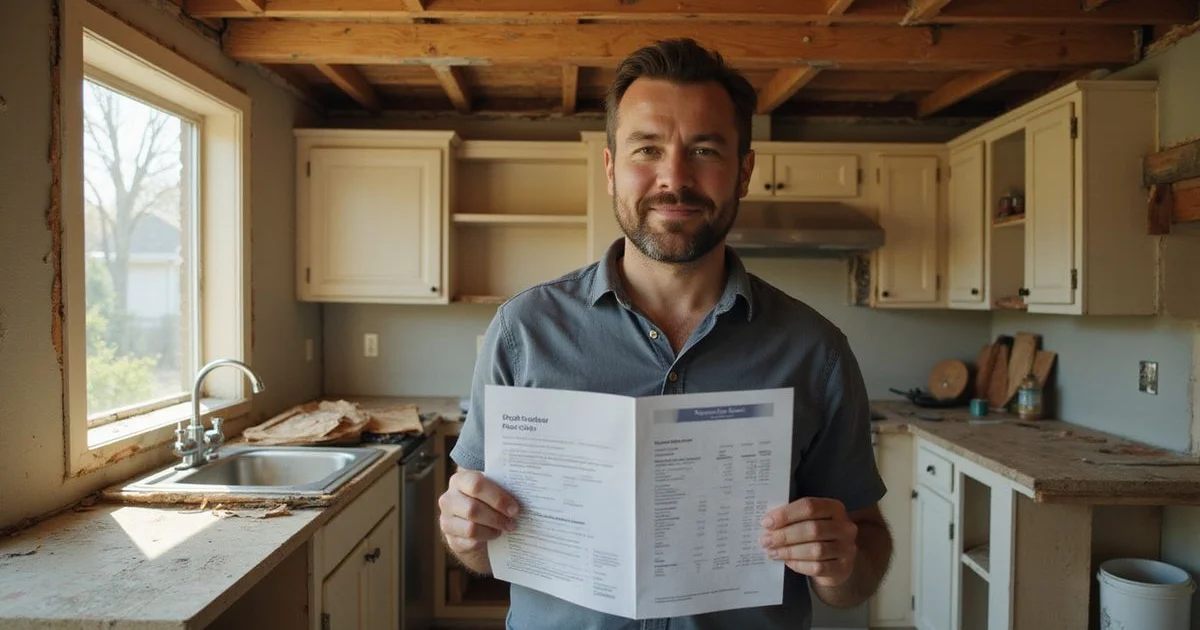
We take all the data gathered during the walkthrough and translate it into a detailed repair scope. This required maintenance budget is the crucial piece needed to finalize your cash offer.
The repair total is combined with recent comparable sales, estimated holding costs, and standard transaction fees to produce a fair price. Our comprehensive guide on how comparable sales affect an offer explains that exact mathematical formula in detail.
Transparency remains a top priority during a direct sale with Ryan. The written proposal you receive lists the major repair assumptions clearly, allowing you to see exactly how the physical condition of the property shaped the final number. If you are still deciding whether to fix things first, the repair or sell as-is worksheet puts both paths side by side.
Questions to Ask During the Visit
We encourage homeowners to be active participants during the property tour. Asking the right questions provides clarity and helps you understand the investor home inspection process.
Before the buyer leaves your property, consider asking these important questions:
- What are the biggest cost items you currently see?
- Is there anything specific you would want a foundation or roofing specialist to look at?
- How exactly will these required repairs affect the final offer?
- When can I expect to receive a formal written offer?
Our team is always happy to talk through the good, the bad, and the ugly of what we are seeing. A professional cash buyer walkthrough is designed to be transparent, because an informed seller makes the best decisions for their financial future.
Contact our office today to schedule your no-obligation property visit.
This guide is general information, not legal, tax, or financial advice. Rules change, so confirm current requirements with the official source or a qualified professional.