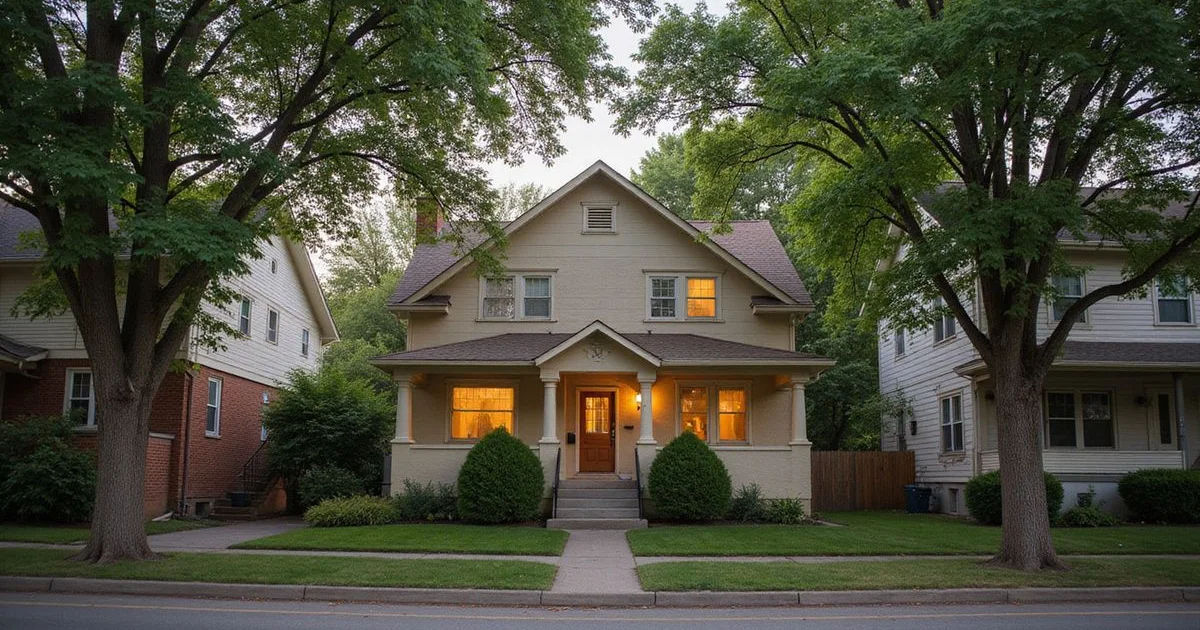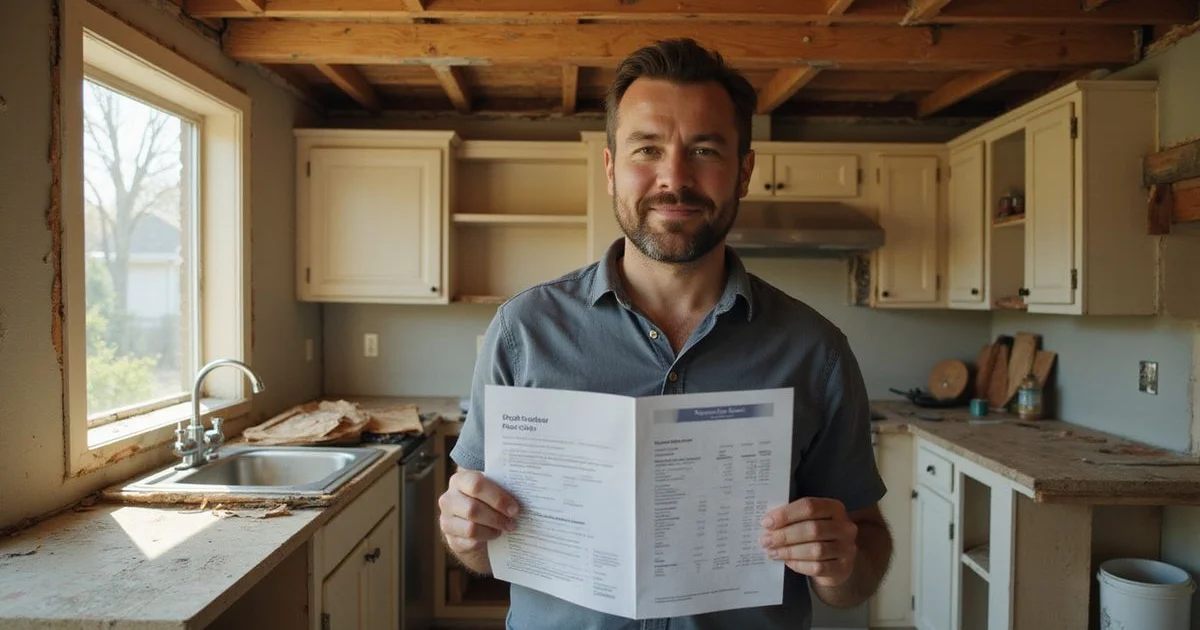
The Decision Most Sellers Face: Repair or Sell House As Is
We know the pressure to repair or sell house as is causes a lot of stress for property owners. The right choice to fix up first or sell as-is depends heavily on current market conditions and the exact state of your property.
Our founder, Ryan Quade, grew up in Shoreview and attended Summit Academy, giving this team a deep personal connection to helping Twin Cities residents maximize their property value.
This local insight proves that deciding to repair or sell house as is heavily impacts your final profit. We use a specific worksheet to take the guesswork out by putting both paths side by side. Let the numbers guide your final choice.
How to Use This Worksheet
We recommend gathering three critical pieces of information before writing a single digit on the page. Accurate inputs ensure your calculation reflects real 2026 market data rather than rough guesses.
Our current research shows the average American home takes about 86 days from listing to closing, making exact timeline estimates vital for your math.
Gather these three items first to set up your comparison:
- Contractor quotes for the repairs you’d realistically make, with timelines
- A listing price estimate for the home after repairs, from comparable sales or an agent
- A written as-is offer or a reasonable estimate of one
We suggest filling in each line for both columns once your documents are ready. The visual layout makes the financial differences instantly clear.

The Worksheet
We rely on this exact grid to help property owners evaluate their choices objectively. Comparing the projected net profit of a renovated home against an immediate sale brings much-needed clarity.
| Line | Repair first, then list | Sell as-is |
|---|---|---|
| A. Expected sale price | Price after repairs | As-is offer |
| B. Repair costs | Total of contractor quotes | $0 |
| C. Contingency for surprises | 10 to 20% of repair costs | $0 |
| D. Months of repairs | Contractor timeline | 0 |
| E. Months on market and closing | Agent’s estimate | Coordinated with title |
| F. Monthly carrying costs | Taxes, insurance, utilities, loan | Same, for fewer months |
| G. Total carrying costs | (D + E) x F | E x F |
| H. Commission | Negotiated rate x A | Per the transaction |
| I. Seller closing costs | Title, deed tax, prorations | Per the written offer |
| J. Estimated net | A - B - C - G - H - I | A - G - H - I |
We advise clients to compare line J very carefully. Think about the things the numbers don’t capture, like stress, time, and the risk that a financed buyer backs out.
Try the calculator too
The net proceeds calculator runs a simplified version of this math in your browser. Use your own numbers.
Scenarios Where Repairing Usually Wins
We consistently see property owners net a higher profit when a house only needs minor updates to compete in the neighborhood. Current 2026 housing data shows that minor cosmetic work, like neutral interior paint or upgrading to Luxury Vinyl Plank flooring, yields a return on investment of over 95%.
- Light cosmetic work. Paint, carpet cleaning, and small fixes on an otherwise solid home.
- One clear problem. A single, well-defined repair with a firm quote.
- Strong demand. Updated homes nearby sell quickly and at good prices.
- Time and budget. You can fund the work and wait a few months comfortably.
Our top recommendation is to focus your capital on high-traffic areas like kitchens and bathrooms. A minor kitchen remodel often returns about 96 percent of its cost, whereas major upscale gut renovations only return around 36 percent.
We always warn against over-improving a space beyond what the local neighborhood supports. Smart updates attract buyers without draining your equity.
Scenarios Where Selling As-Is Often Makes Sense
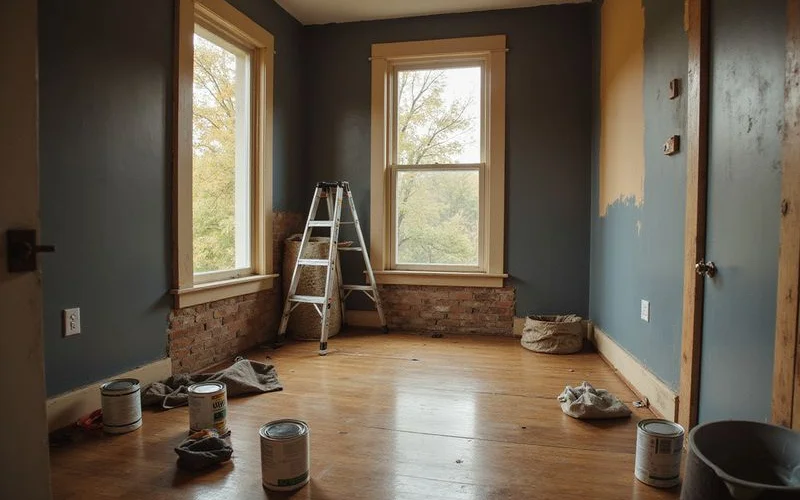
We advise clients to choose the as-is route when facing structural issues or tight deadlines that make a renovation impractical. Selling without making repairs eliminates the risk of budget blowouts and lengthy contractor delays.
Our experience highlights specific local regulations that push sellers toward a faster transaction. Minneapolis and St. Paul mandate Truth in Sale of Housing (TISH) reports before a single-family home can even be marketed, which often uncovers unexpected mandatory fixes.
- Big or uncertain repairs. Foundations, roofs, electrical, and plumbing that may grow once opened.
- TISH required items you’d rather not coordinate, like hard-wired smoke detectors or replacing unsafe plumbing traps.
- High carrying costs, such as a vacant house through a Minnesota winter.
- Limited time, because of a move, an estate, or a deadline.
- Lender risk. Condition that could cause a buyer’s loan or appraisal to fail.
We know holding onto an empty house quickly drains profits through property taxes and utility bills. A fast transaction stops the financial bleeding immediately.
Common Mistakes When Comparing
We frequently catch errors in how sellers estimate their holding costs and renovation timelines. Missing these hidden expenses makes a repair project look far more profitable than it actually is.
Our advice is to double your expected timeline to account for material shortages or permitting delays. The 2026 labor market remains incredibly tight, meaning contractor schedules often stretch weeks beyond the initial estimate.
- Skipping the contingency line. Older homes often reveal surprises once walls are open.
- Underestimating timelines. Contractor schedules in busy seasons can stretch for weeks.
- Forgetting carrying costs. Every month costs money, especially when the house is empty.
- Assuming the top comparable price. Not every renovated home sells at the high end.
- Ignoring your own time. Managing a renovation can be a part-time job.
We strongly encourage you to review every line item before finalizing your decision. Accuracy prevents expensive surprises down the road.
Getting Better Numbers
We rely on verified contractor bids and professional market analyses to build an accurate comparison. Guessing at repair costs or future sale prices will lead to a flawed financial decision.
Our strategy requires securing three precise data points to ensure your math holds up:
- Firm repair bids: Secure written quotes from licensed contractors that include firm start dates.
- Accurate listing values: Look at recent comparable sales of updated homes or ask an agent for a market analysis.
- A reliable baseline: Use a written offer with itemized assumptions for the as-is column.
The comprehensive guide on cash offer vs. listing walks through this full comparison process. We recommend moving forward with the renovation if the numbers clearly favor that side of the repair or sell house as is equation.
Ryan can provide a firm as-is number with every assumption explained to put in your second column. We are ready to help you evaluate these options so you can make the most profitable choice for your property.
Reach out today to start running your numbers.
This guide is general information, not legal, tax, or financial advice. Rules change, so confirm current requirements with the official source or a qualified professional.