Waiting Isn’t Free
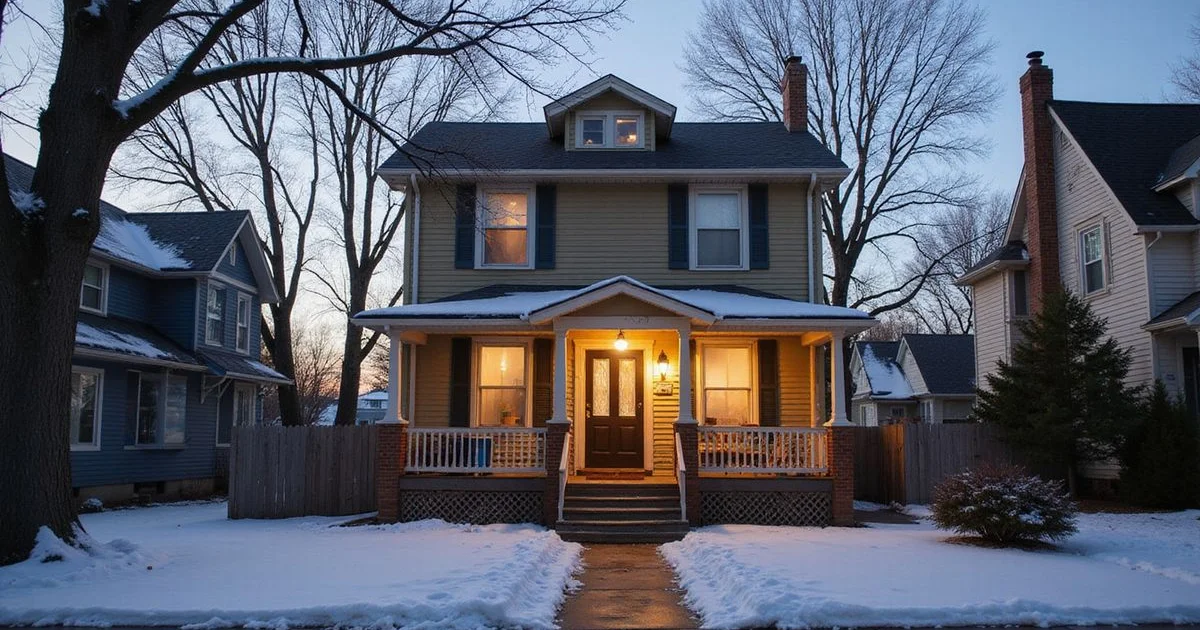
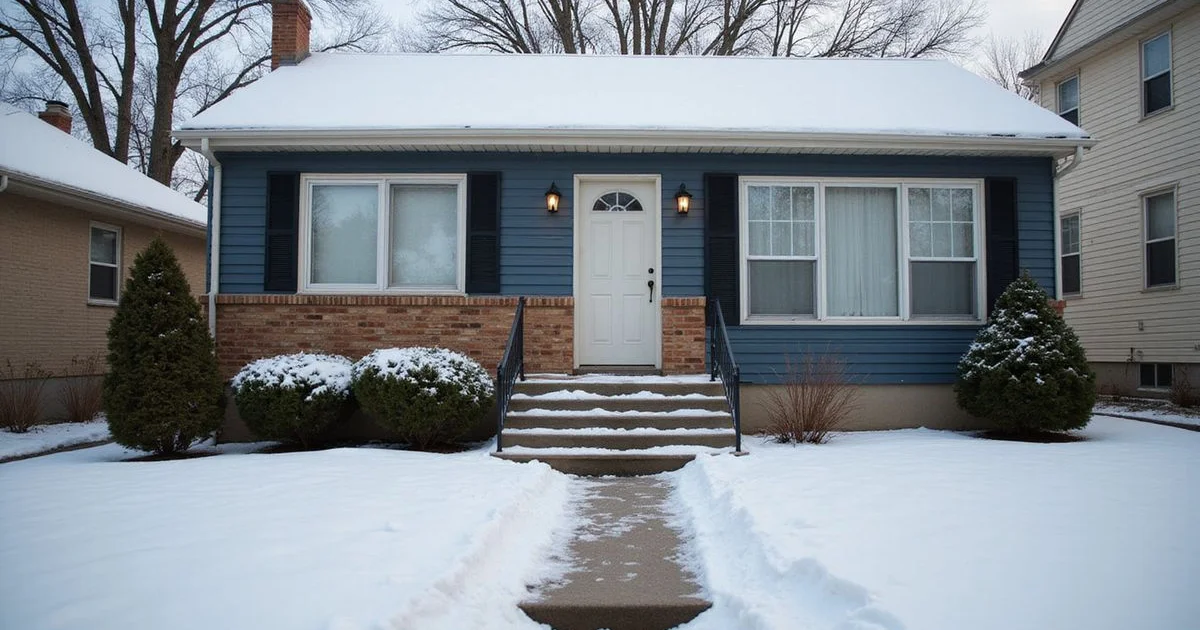
Our team sees this scenario constantly when owners leave a property unoccupied. You might think an empty house is just pressing pause on expenses. In reality, the holding costs for an empty house stack up much faster than most people anticipate.
We know exactly how frustrating it is to watch money drain away while deciding what to do with a family property.
Growing up in Shoreview and attending Summit Academy, our founder Ryan Quade built this company to help Twin Cities homeowners handle exactly this kind of real estate burden. Before choosing to wait, repair, list, or sell a vacant house as-is, you need to calculate the actual cost of owning a vacant house.
Let’s break down the specific Minneapolis fees, the 2026 insurance realities, and a simple worksheet to help you make a data-driven decision.
The Regular Monthly Costs

Our clients are often surprised by the baseline bills that keep coming even when the lights are off. The standard vacant house expenses include property taxes, specialized insurance, utility minimums, and exterior maintenance.
In 2026, the average Minnesota utility bill runs around $451 per month. Even an unoccupied property will consume a large portion of that just keeping the furnace running to prevent freezing.
We always recommend checking your recent statements to establish an accurate baseline. Be sure to include services like snow clearing. A reliable Minneapolis contractor will charge for plowing every time it snows, which adds up fast.
| Cost | What to include | Where to find it |
|---|---|---|
| Property tax | Annual tax divided by 12 | Hennepin County property records |
| Insurance | Vacant or unoccupied policy premium | Your insurer |
| Utilities | Heat, electric, water, sewer, trash | Recent bills |
| Snow removal | Sidewalks, steps, driveway | Your service provider |
| Lawn and yard | Mowing, leaves, weeds | Your service provider |
| Regular checks | Paid house-checking or travel costs | Your own estimate |
| Mortgage interest | If there’s still a loan | Your mortgage statement |
| Registration fees | If the building is registered with the city | City of Minneapolis |
A Monthly Worksheet

We use a specific formula to help homeowners accurately calculate the carrying costs for an empty property. Calculating your true monthly burden requires gathering all annual and monthly expenses into one standardized figure.
Monthly cost = (annual tax + annual insurance + annual registration fee) / 12 + monthly utilities + monthly upkeep + monthly loan interest
Simply divide your annual costs by twelve and add your recurring monthly bills. Then multiply that total by the number of months you expect to hold the house.
Our favorite digital resource, the vacant house holding cost calculator, does the math for you automatically.
Illustrative example only
Picture an empty house with moderate property taxes, a vacancy insurance policy, heat kept low through winter, and paid snow and lawn service. Add those together and the monthly number often surprises owners. Multiply by six or twelve months and it can become a meaningful share of what the house is worth. Your numbers will differ, so plug in your own.
The Hidden Cost: Damage Risk
Our experience shows that the greatest financial threat to an empty house is undetected damage. Regular bills are predictable, but emergency repairs can wipe out a year of savings in a single afternoon. Empty houses are extremely vulnerable because no one is there to notice a problem early.
According to 2026 Angi data, water damage restoration in Minneapolis costs $7,681 on average. We have seen minor drips turn into massive floods simply because nobody was checking the property.
- Frozen and burst pipes during a Minnesota cold snap
- Sump pump failure during spring thaw or heavy rain
- Roof leaks that spread into ceilings and walls
- Ice dams that push water under shingles
- Break-ins or vandalism
- Mold from undetected moisture
Repairing just the burst pipe itself runs between $262 and $891 locally. Once you factor in replacing soaked drywall and flooring, one serious event can cost more than a year of regular utility bills.
You can find exactly how to reduce these risks by reading our comprehensive guide on protecting a vacant home through a Minnesota winter.
Vacant Building Registration Fees
Our team frequently talks to owners who are shocked by the city’s mandatory compliance charges. If a Minneapolis property meets the city’s definition of vacant, owners must pay an annual Vacant Building Registration fee that drastically increases holding costs.
This is not a small administrative charge. As of 2026, the base registration fee in Minneapolis is $7,228 annually per building.
We want to highlight a few key facts about this municipal requirement:
- High Annual Costs: The city charges over $7,000 per year just to keep the building on the registry.
- Escalating Fines: Property owners could face up to $24,000 in citations for leaving buildings vacant long-term without compliance.
- Tax Assessments: Unpaid registration fees are typically levied directly as a tax assessment against the property.
That expense alone can completely disrupt your financial planning for the property. You should always verify the city’s current fee schedule and explore our dedicated resource on selling a registered vacant building for more details.
Insurance Vacancy Clauses
Our clients often incorrectly assume their standard homeowner’s policy will fully protect an empty house. In reality, most standard policies feature a vacancy clause that limits or excludes coverage once a home has been unoccupied for 30 to 60 days.
After that window closes, you will likely need a specialized vacant home insurance policy. According to 2026 industry data, national averages for vacant home insurance sit at about $4,202 a year.
We see this expense catch many families off guard, as it costs roughly 50% more than a standard $2,801 residential policy. Insurance companies charge this premium because vacant properties are statistically three times more likely to be vandalized.
Do not guess whether your regular policy still protects you. Call your insurer and ask:
- Does my policy have a vacancy clause?
- After how many days does it apply?
- What coverage changes?
- Do I need a vacant-home policy?
Putting It Together
Our goal is to help you weigh your options using hard, verifiable numbers rather than guesswork. Once you calculate your accurate monthly cost, you can compare it directly against your realistic timelines for action.
- Waiting costs the monthly number times however long you wait.
- Repairing and listing adds repair costs and more months.
- Selling as-is usually shortens the holding period.
None of these paths is automatically right for every situation. The point is to make the decision with real figures clearly laid out on the table.
We always encourage homeowners to evaluate all options before committing. If you would like a written as-is offer to compare against your holding costs, Ryan can provide one.
This guide is general information, not legal, tax, or financial advice. Rules change, so confirm current requirements with the official source or a qualified professional.