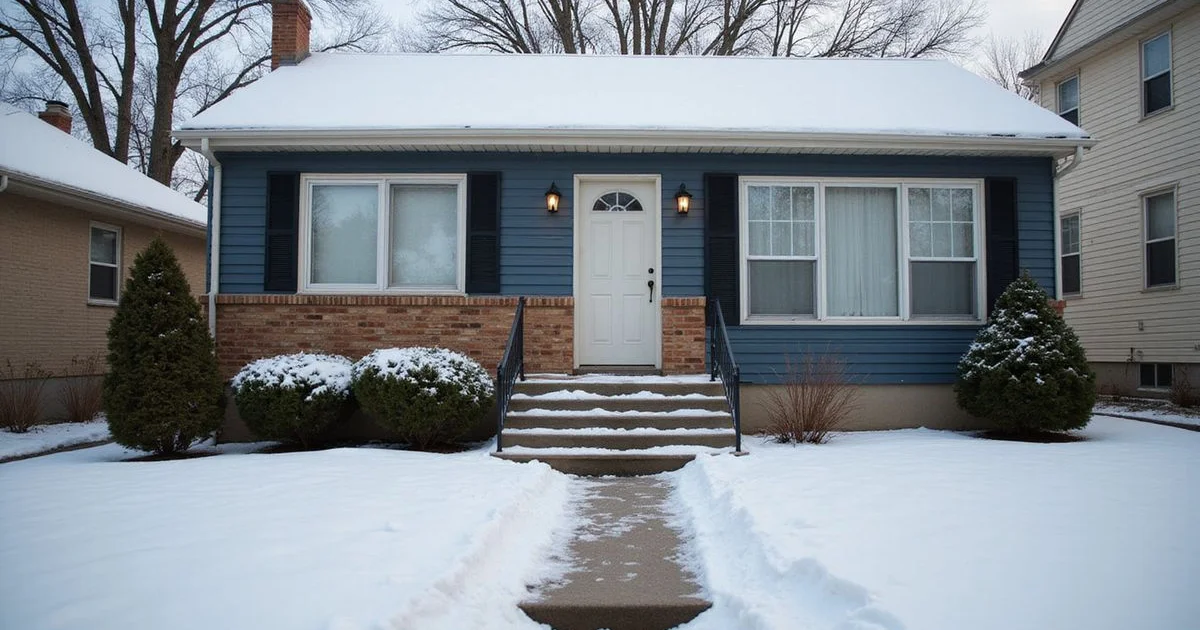
We often see property owners caught off guard by the financial weight of selling a registered vacant building in Minneapolis. The City of Minneapolis requires specific unoccupied properties to be registered under its Vacant Building Registration (VBR) program, outlined in Minneapolis Code Chapter 249. Registration exists to keep these structures secure while covering the municipal costs of monitoring them.
Our page on selling a vacant house in Minneapolis explains a proven strategy for handling these assets. Local ordinances change frequently. Always confirm the latest details on the city’s vacant building registration page.
We will break down exactly what triggers these requirements and explore practical ways to respond.
How a Property Ends Up Registered
Direct communication with the city reveals that a property must register if it meets the municipal definition of vacant. This usually happens if the building is condemned or boarded. Our team knows that a property also ends up registered if it sits unoccupied and unsecured for just five days.
Buildings get flagged if they are secured by unconventional means for 30 days or accumulate code violations. A 2024 city council ordinance placed a two-year time limit on VBR eligibility to actively discourage chronic vacancies. Our clients often overlook the impact of lingering nuisance condition orders under Chapter 227.
An order lasting more than 365 days will automatically mandate registration. You must verify these timelines for your specific address using the Minneapolis Property Information tool. We recommend reviewing these common triggers:
- Unoccupied and unsecured for five days.
- Secured by non-standard means for 30 days.
- Unresolved nuisance condition orders for 365 days.
- Condemned status requiring compliance inspections.
The Annual Fee
Registered properties face steep holding costs, primarily driven by a flat annual charge. The current minneapolis vacant building registration fee is $7,228.70 per year for 2026. We see this massive expense drain budgets rapidly.
Properties placed on this list are billed regardless of the owner’s financial situation. This massive number is a primary reason why registered properties become incredibly expensive to hold. Our firm advises checking the city VBR page for current figures, as the city adjusts this rate annually.
The total amount must be paid in full to remain compliant under the following schedule:
- Due immediately at the time of initial registration.
- Due annually on the exact anniversary date of the vacancy finding.
Failure to pay results in special assessments added directly to property taxes. We strongly advise budgeting for these exact payment dates.
What Else Registration Can Involve
Depending on the property status, the city routinely forces owners to complete multiple corrective actions. The city may require securing the building, exterior maintenance, or a comprehensive code compliance inspection before reoccupancy.

Our experience shows that ignoring these mandates leads to rapid escalation of municipal fines. The table below outlines the primary obligations you might face.
| Requirement | General purpose |
|---|---|
| Keeping the building secured | Prevents entry and damage |
| Exterior maintenance | Lawn, snow, and debris |
| Code Compliance Inspection | Identifies work needed before reoccupancy |
| Certificate of Code Compliance | Confirms work is complete |
| Minneapolis Restoration Agreement | A plan and timeline to restore the building |
A Code Compliance Inspection identifies all necessary work and requires a fee, a contractor estimate, and proof of funds. Our contractors note that obtaining a Certificate of Code Compliance is mandatory before anyone can legally buy or work on a condemned building.
The Minneapolis Restoration Agreement creates a binding timeline and plan between the owner and the city to rehabilitate the property. Not every registered building needs all of these specific requirements. We recommend asking the local inspections department if your property qualifies for a VBR waiver or a modified inspection.
How Buyers Approach Registered Properties
Registration drastically changes the financial math for any potential buyer. Most conventional lenders refuse to finance a property until a Certificate of Code Compliance is issued and all required work is completed. We understand why retail buyers hesitate when they see a VBR label.
Direct buyers must evaluate three critical factors before making an offer:
- The $7,228.70 annual fee.
- Required compliance work and contractor estimates.
- Strict municipal timelines for restoration.
Everyone wants to know the exact status and any outstanding special assessments attached to the parcel. Our typical evaluation includes a thorough review into public records to uncover hidden charges. A smart buyer will demand the contractor repair estimates required by the city before moving forward.
This transparency prevents deals from falling apart at the closing table. We always adhere to a strict rule when reviewing these files.
Confirm, don’t assume
Before you sell, ask the city for the property’s current registration status, any required inspections or agreements, and outstanding fees. Get it in writing if you can.
Written confirmation from the city protects you from unexpected liabilities. A verbal assurance will not hold up if the city later assesses a nuisance fee. Our legal partners stress the importance of documentation in these transactions.
Outstanding City Charges
Registered properties frequently carry unpaid fees for municipal services. These charges usually involve special assessments for things like boarding up windows or mowing overgrown lawns under Chapter 227. Our title company partners always search for these specific liens during the transaction process.
These accumulated costs eventually show up in title work and are deducted on the settlement statement at closing. Knowing the exact dollar amount in advance prevents massive surprises when you go to sell. We have seen unaddressed nuisance fees consume thousands of dollars from a final payout.
Should You Sell Now or Restore First?
The decision to sell or restore depends heavily on your budget and timeline to complete the city-mandated work. If you have the capital to fund a contractor and secure a Certificate of Code Compliance, you might sell for a higher retail price later. We often run the numbers with owners to compare both scenarios side-by-side.
The required work is often significant, and holding costs like the $7,228.70 fee keep adding up rapidly. Executing a VBR Minneapolis sell as-is makes more sense when the repair estimates exceed the potential profit margin. Our guide on the real holding costs of a vacant house helps you put hard numbers on the price of waiting.
Evaluating your choices requires a clear look at the data. The table below compares the two most common paths forward.
| Consideration | Sell As-Is to Cash Buyer | Restore & Sell Retail |
|---|---|---|
| VBR Fee Risk | Buyer assumes future fee risk | Owner pays $7,228.70 annually |
| City Requirements | Buyer handles Restoration Agreement | Owner funds Code Compliance work |
| Timeline | Closes in days or weeks | Takes months to finish repairs |
We use this exact breakdown to help sellers make informed decisions.
How We Approach Registered Buildings
Ryan reviews the actual registration status and the city requirements before describing an offer. The written terms explain exactly how the final price reflects specific municipal hurdles:
- Prorated VBR fees.
- Outstanding nuisance charges.
- Required code compliance work.
Our written agreements specify exactly what has to happen before or after closing under local rules. Having a local perspective makes a significant difference in completing these demanding transactions. Ryan grew up in Shoreview and attended Summit Academy, bringing a deep personal connection to every Twin Cities property evaluation.
We prioritize clear communication so sellers understand every step of the process. Understanding the financial reality of Chapter 249 ordinances allows you to move forward with confidence. Reach out today for a free review of your property status and a fair cash offer.
We are ready to help you resolve these municipal challenges quickly.
This guide is general information, not legal, tax, or financial advice. Rules change, so confirm current requirements with the official source or a qualified professional.