Winter Is Hard on Empty Houses
We know how quickly an unoccupied property turns from an asset into a massive liability. A Minnesota winter acts like a brutal stress test on every system in an empty building. When a pipe bursts on a Tuesday, nobody is around to notice until the weekend.
That delay is incredibly costly.
Water damage cleanup easily pushes past $2,100 in 2026, according to local plumbing data. If you are planning to sell a vacant house in Minneapolis, protecting a vacant house through a Minnesota winter preserves its value. Reviewing the data behind the two main heating strategies reveals practical ways to respond.
Choice 1: Keep the Heat On
Keeping the heat running at a safe, steady level is the most common approach. We recommend setting the thermostat to a minimum of 55 degrees Fahrenheit, which is the baseline requirement for most insurance carriers. This temperature provides enough warmth to prevent pipes from freezing.
Our team always relies on smart technology to monitor the climate. Installing a Google Nest or an Ecobee smart thermostat sends instant freeze alerts directly to your phone. These devices cost around $130, but they provide priceless peace of mind.
Things to do:
- Set the thermostat to at least 55 degrees as your insurer and plumber recommend
- Replace furnace filters and schedule a $150 seasonal HVAC service visit before winter
- Open cabinet doors under sinks on exterior walls
- Use a smart thermostat or temperature alert so you know if heat fails
- Keep a backup plan if the furnace stops working
Heat also keeps the house ready for walkthroughs. This detail matters a lot if you are actively selling the property.
Choice 2: Professional Winterization
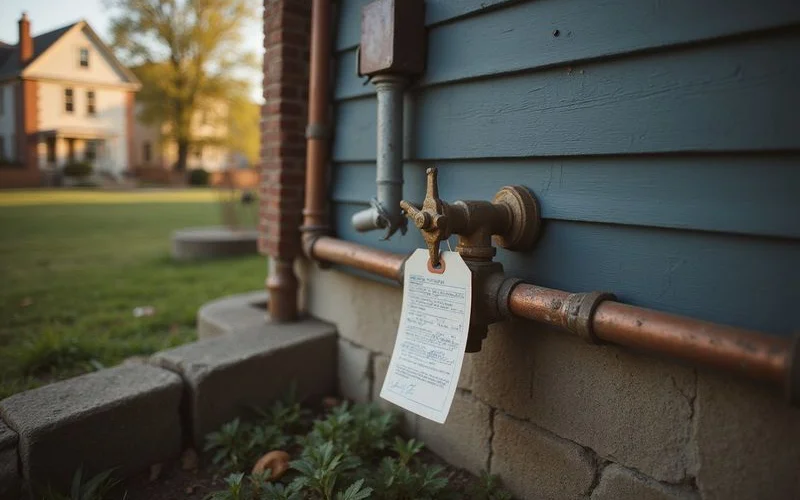
Winterization drains the plumbing completely so there is no water left to freeze. We usually see Minneapolis plumbers charge between $200 and $800 for this service in 2026, depending on the size of the home. This upfront cost is much cheaper than paying for burst pipe repairs.
A professional uses compressed air to blow out the lines, ensuring no hidden moisture remains. A plumber typically:
- Shuts off the main water supply
- Drains pipes, the water heater, and fixtures
- Adds non-toxic pink RV antifreeze (propylene glycol) to traps and toilets
- Tags the main valve to show the system is winterized
Choosing to winterize a vacant house can be a smart move for a property that will sit empty for months. Keep in mind that the plumbing will need to be de-winterized before a buyer’s inspection. Some heating systems, like hot water boilers, require extra care and specific draining procedures to prevent internal rust.
Check Your Insurance Vacancy Clause
Many standard homeowner policies change drastically after a house sits vacant for a set period. We frequently review standard ISO HO-3 policies, which typically suspend coverage for water damage and vandalism after just 30 to 60 consecutive days of vacancy. Without a specific endorsement, your property is completely exposed.
Securing a dedicated vacant home policy is a necessary step. These specialized policies cost more than standard insurance, but they cover the exact risks an empty house faces. Call your insurer today and get explicit answers in writing:
| Question | Why it matters |
|---|---|
| Does my policy have a 30-day or 60-day vacancy clause? | Coverage for standard perils will drop completely |
| When does it start? | The clock ticks from the day the furniture leaves |
| What do I have to do to stay covered? | Insurers may demand 55-degree heat, logs, or winterization |
| Do I need a vacant-home policy? | Almost certainly required for any extended vacancy |
Our property managers never leave this to chance. A single denied claim for a flooded basement can financially ruin a sale.
Regular Checks
Someone must walk through the house regularly, especially after cold snaps or heavy winter storms. We highly recommend installing a Govee Wi-Fi water sensor near the water heater and sump pump. These cheap sensors send instant alerts to your phone if moisture is detected.
A simple checklist makes these visits efficient:
- Is the heat working, and is the temperature at least 55 degrees?
- Any signs of water on floors, ceilings, or in the basement?
- Is the sump pump plugged in and working properly?
- Are all exterior doors and windows securely locked?
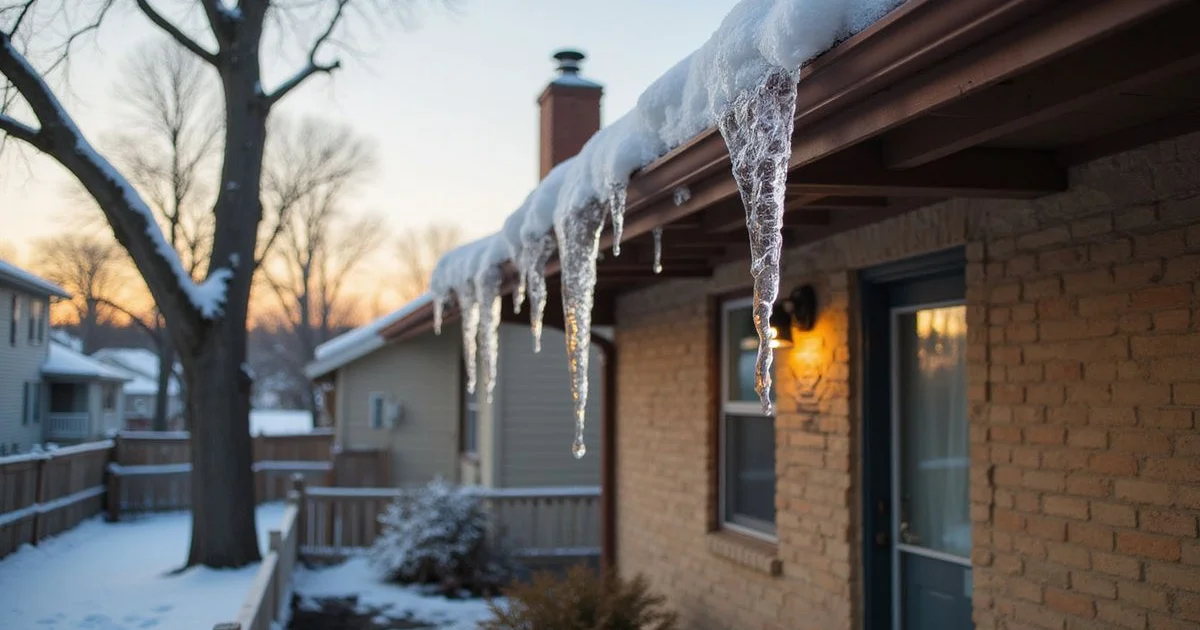
- Any ice dams or heavy icicles on the roof edge?
- Is mail piling up past the USPS 30-day hold limit?
Keep a physical logbook on the kitchen counter with dates and signatures. This documented proof helps with insurance claims and gives prospective buyers confidence.
Snow Removal
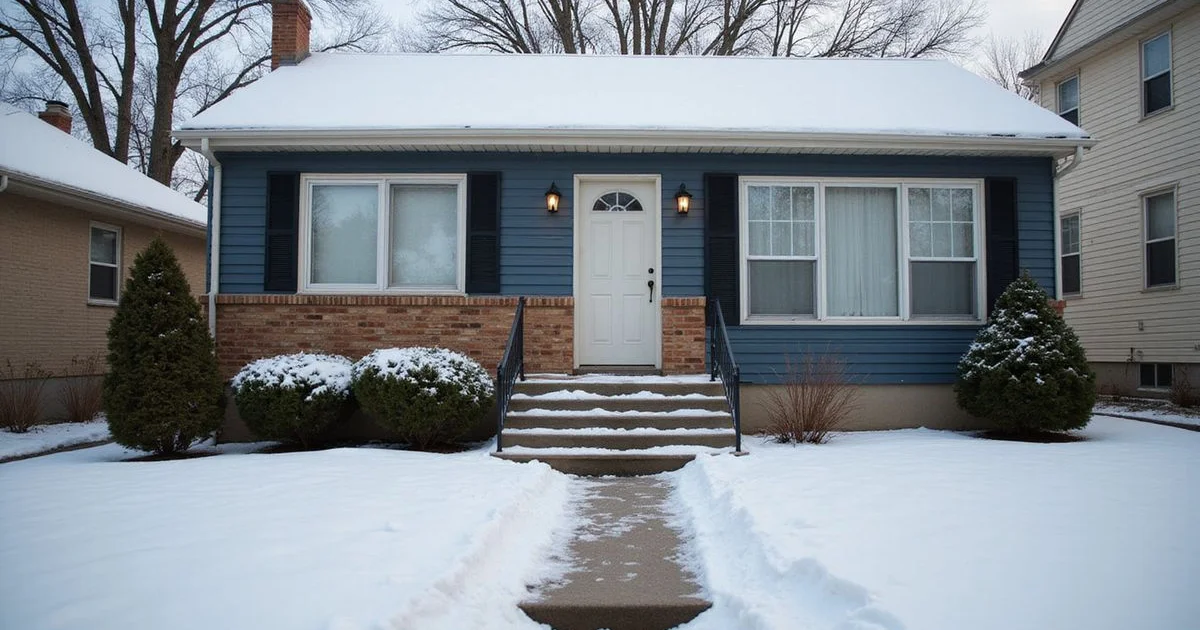
Minneapolis property owners must clear public sidewalks after every snowfall. We always remind clients that an empty house does not get a pass from city ordinances. Single-family homes and duplexes must have their sidewalks cleared within 24 hours after the snow stops falling.
Failing to shovel will result in a warning, followed by a hefty city bill. The average Minneapolis assessment fee for city-cleared snow typically runs around $229. Arrange a reliable snow removal service for the sidewalks, front steps, and driveway.
Clear walkways also make the house much safer for routine checks and buyer walkthroughs. They help the property look cared for, which deters trespassing.
Watch for ice dams
Ice dams form when heat escapes into the attic and melts snow on the roof, which refreezes at the cold edge. They can push water under shingles and into walls. If you see heavy ice along the roof edge, our guide on freeze damage, ice dams, and burst pipes explains what to do.
A Quick Winter Prep Checklist
Proper preparation requires a structured approach. We use this exact vacant home winter checklist to secure our own properties against the freezing climate.
- Decide between 55-degree heat and professional winterization
- Service the furnace or boiler for around $150
- Locate and label the main water shut-off valve
- Set up Google Nest or Ecobee temperature alerts
- Arrange snow removal to meet the 24-hour city ordinance
- Schedule regular checks and keep a signed logbook
- Forward mail and stop package deliveries before the 30-day USPS limit
- Confirm your 30-day or 60-day vacancy insurance coverage in writing
A little planning right now prevents the kind of severe water damage that destroys a home’s value. To see what another few months of ownership costs, the guide to holding costs for a vacant house walks through taxes, insurance, and utilities.
We understand the local market deeply, as Ryan Quade grew up in Shoreview and attended Summit Academy. This local expertise gives our work a strong personal connection to the Twin Cities.
If you would rather not carry the house through winter at all, Ryan can explain exactly what a fast, as-is sale looks like on your timeline. Reach out to our team today to discuss your property and explore your selling options.
This guide is general information, not legal, tax, or financial advice. Rules change, so confirm current requirements with the official source or a qualified professional.