A Common Issue in Older Minneapolis Homes
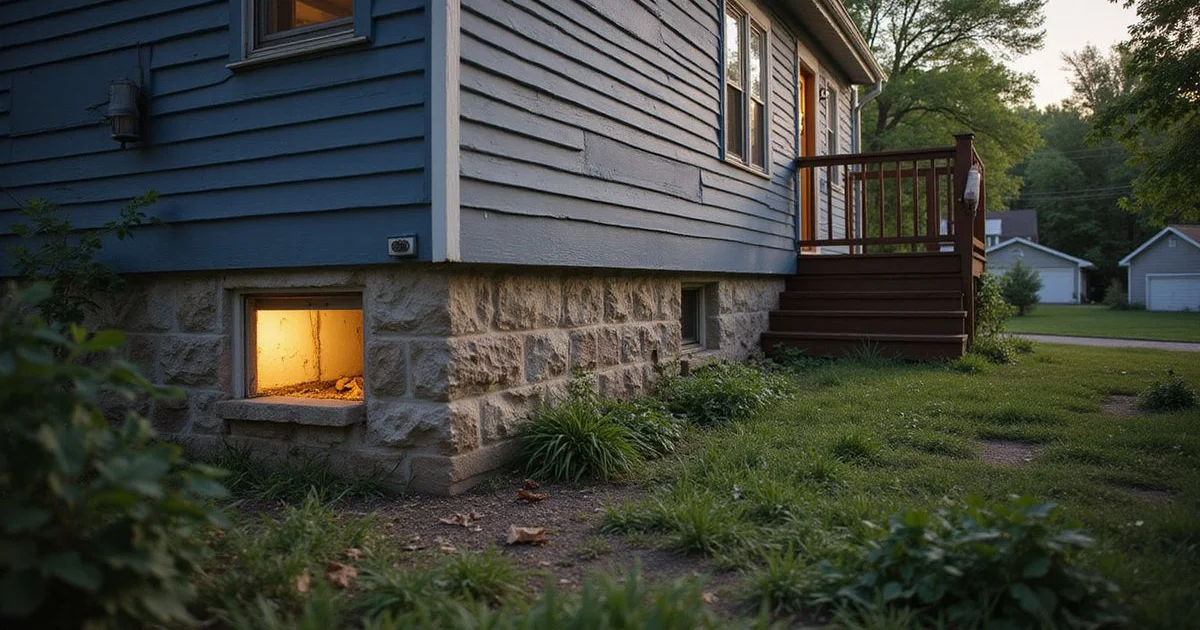
You probably already know that century-old basements in the Twin Cities were never designed to be completely waterproof. Many Minneapolis homes sit on foundations built 80 to 120 years ago using limestone, clay tile block, or early poured concrete.
Growing up in Shoreview and attending Summit Academy, our founder Ryan Quade learned early on how Minnesota weather impacts local construction. This constant exposure creates frequent headaches, especially because expansive clay soils in our region can expand up to 15 percent when saturated.
That expansion puts immense hydrostatic pressure on aging walls and makes a traditional sale much harder:
- Regular home buyers get nervous about structural integrity.
- Mortgage lenders often require expensive repairs before approving a loan.
If you are searching online for “sell house with foundation problems minneapolis”, or deciding whether to repair or sell a damaged house as-is, you must understand the situation first.
We will look at the 2026 data, what it actually tells us, and explore practical ways to respond.
Signs to Watch For
Spotting the difference between normal settling and active structural failure is your first priority. You should look for cracks wider than 1/4 inch, bowing walls, or consistent water intrusion after heavy summer storms.
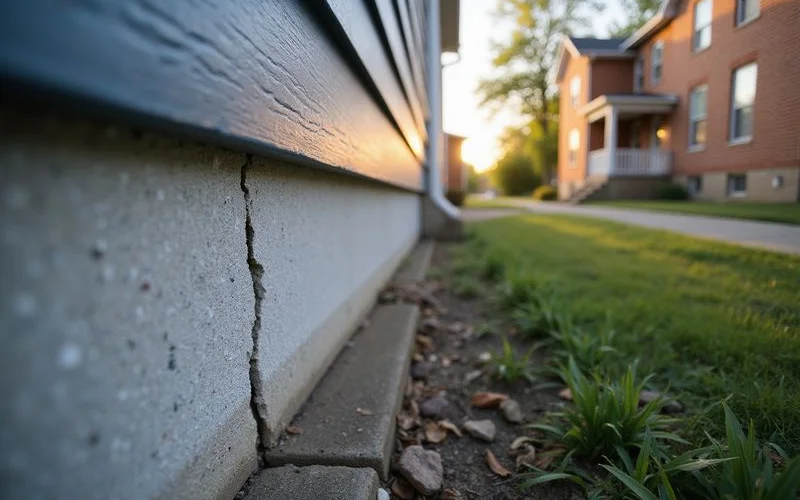
Our inspection process always starts by identifying the type and direction of the cracks. Vertical cracks often result from normal shrinkage in poured concrete and might just need simple sealing, while horizontal or stair-step cracks in block walls are a much bigger warning sign. Those specific patterns usually indicate that wet clay soil is pushing against the foundation from the outside.
We created a quick reference guide to help you categorize what you are seeing in your basement.
| Sign | What it might mean |
|---|---|
| Hairline vertical cracks | Often normal concrete shrinkage, but worth watching |
| Horizontal or stair-step cracks | Possible movement, soil pressure, or settlement |
| Bowing or leaning walls | Severe hydrostatic pressure from soil or water; needs immediate evaluation |
| White chalky residue (efflorescence) | Water moving through porous masonry |
| Damp walls or puddles | Active seepage or exterior drainage problems |
| Musty smell | Ongoing moisture, possible mold growth |
| Sump pump running constantly or failing | High water table or overwhelmed drainage issues |
| Sticking doors or sloping floors upstairs | Possible foundation settlement transferring to the frame |
Not every crack requires a massive excavation project. A professional evaluation from a licensed structural engineer tells you exactly which issues require attention and which are harmless quirks of an old house.
Getting a Clear Picture
Before you list the property or hire a contractor, you need hard numbers and a professional diagnosis. Getting a licensed structural engineer assessment typically costs between $300 and $700 in Minnesota, and it prevents contractors from over-scoping the repair.
You will want to gather specific documentation to understand your financial position. A simple visual check is not enough when thousands of dollars are on the line.
We strongly recommend taking these four investigative steps.
- A structural engineer’s evaluation: This provides an unbiased report on cracks, bowing, or settlement without a sales pitch attached.
- A waterproofing contractor’s estimate: The average foundation repair cost in Minneapolis for 2026 is around $4,336, but severe issues requiring steel push piers can range from $9,000 to $25,000.
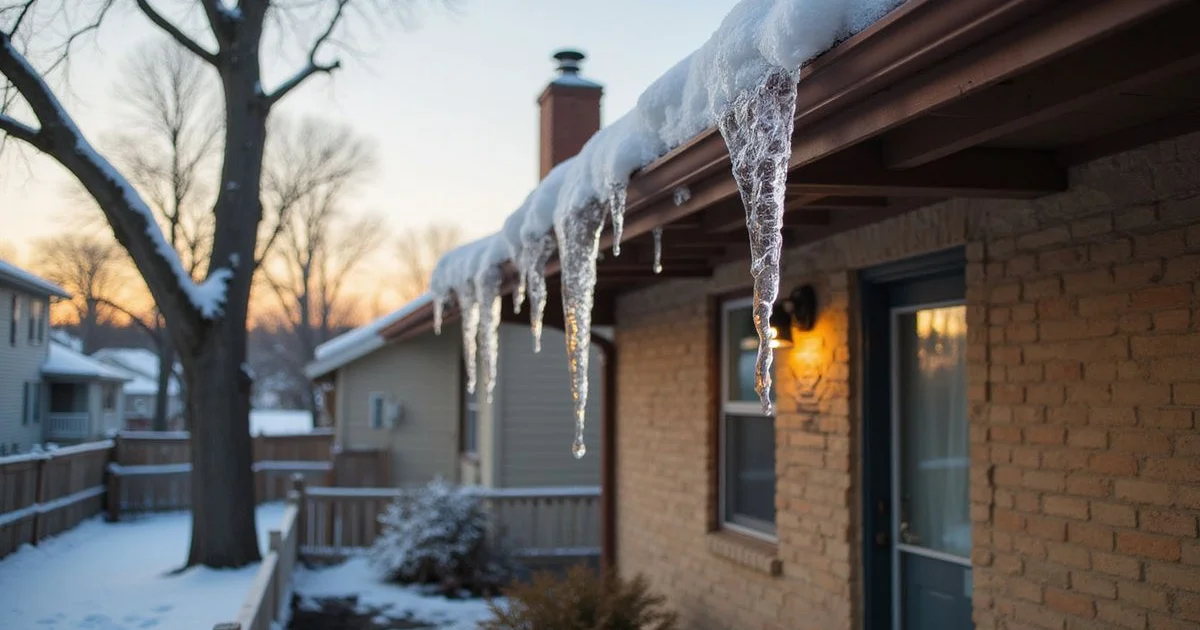
- Checking exterior water management: Gutters, downspouts, and poor grading cause the majority of basement water problems. In winter, freeze damage, ice dams, and burst pipes can add water from above.
- A sewer camera inspection: This is crucial if water backs up through floor drains, as old clay pipes in Minneapolis often collapse or fill with tree roots.
Written findings help any buyer feel more secure and give you real numbers to compare options. This data is the foundation of a smart real estate decision.
Disclosure Basics
Minnesota sellers must legally disclose all known material facts about a property, and foundation or water issues definitely qualify. Under Minnesota Statute 513.55, you have to report defects that could adversely affect an ordinary buyer’s use and enjoyment of the home.
Selling a property as-is does not erase this legal requirement. Failing to disclose past repairs or known water intrusion can lead to lawsuits for misrepresentation long after the closing date.
Our team always advises complete transparency because honesty protects your bottom line. Because disclosure has serious legal consequences, ask a real estate attorney how the state rules apply to your specific sale. Your disclosures are always clearly reflected in the final written terms.
Disclosure protects you too
Telling buyers what you know up front reduces the chance of a dispute after closing. It also leads to offers that are less likely to change late in the process, keeping your sale timeline secure.
Repair First or Sell As-Is?
Deciding on a foundation repair or sell strategy comes down to your available cash, timeline, and risk tolerance. Minor crack sealing might cost $300, while a full structural stabilization can exceed $15,000 and take several days to complete.
You need to weigh the potential return on investment against the upfront stress of managing contractors.
We built a simple comparison to highlight the main differences between these two paths.
| Repair first | Sell as-is |
|---|---|
| May raise the final sale price | Repair scope is directly reflected in the offer |
| Requires upfront money and contractor time | No upfront cost or scheduling delays |
| Repairs can grow once the actual work starts | No surprise structural costs for you |
| Financed buyers may qualify much more easily | Typically attracts a cash buyer |
| Warranty from the contractor may help resale | No repairs for you to manage or warrant |
If the issue is limited and the quote is firm, repairing the damage first may net more money at closing. If the repair is large, uncertain, or would delay your moving plans, a direct as-is sale usually makes more sense.
Our repair or sell worksheet walks through the comparison step by step. This tool helps you calculate the true cost of an open market listing versus a fast cash offer.
Eligibility for a Direct Sale
We evaluate foundation and water problems directly against our specific purchasing criteria. Many homes with active seepage, structural cracks, or moderate settlement fit perfectly into our buying model.
If you are trying to sell a house with wet basement issues, Ryan will review the specific details with you. He explains exactly how the estimated repair costs shape the final offer.
Certain conditions require a much closer look before we can proceed:
- Severe structural failure or walls bowing inward more than two inches.
- Unsafe living conditions that prevent basic access.
- Active City of Minneapolis condemnation orders.
Our process is designed to provide clarity fast. You will always hear plainly from us if the property is not a fit.
Steps to Take Now
Your best next move is to gather information and protect the foundation from further water damage. Simple maintenance tasks can prevent hydrostatic pressure from getting worse while you make your decision.
We suggest taking these concrete actions immediately.
- Keep gutters clear and extend downspouts at least 5 to 6 feet away from the house.
- Test the sump pump by pouring a bucket of water into the pit, if you have one.
- Document what you have seen with specific dates and clear photos.
- Gather any past repair invoices or warranties from previous contractors.
- Get a professional opinion if cracks are wider than 1/4 inch or water intrusion is significant.
Whatever you decide, having clear, organized information makes any “sell house with foundation problems minneapolis” transaction much easier. Reach out to our team today to discuss your property and explore a fair cash offer.
This guide is general information, not legal, tax, or financial advice. Rules change, so confirm current requirements with the official source or a qualified professional.