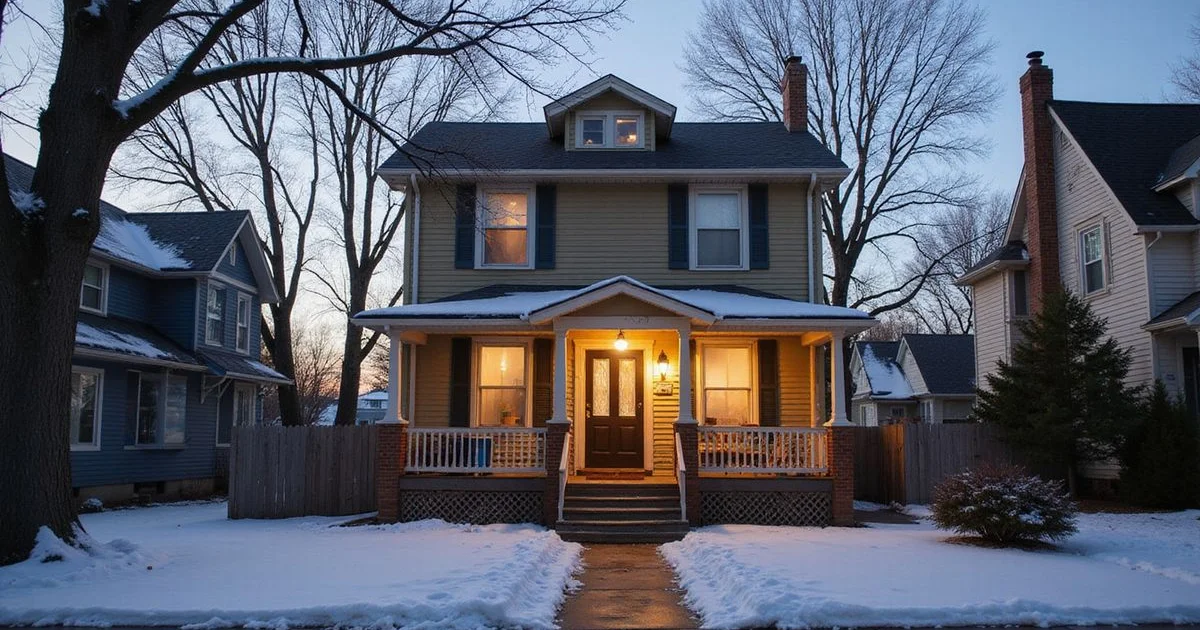
We know exactly how quickly a single frozen line turns into a massive financial headache.
Industry data shows the average water damage insurance claim now exceeds $11,650. This figure alone is enough to ruin an annual budget.
Our team understands the stress of deciding whether to repair the mess or just sell house after burst pipes.
Let’s look at the actual data, explore the real repair costs, and explain how to sell the damaged house as-is.
Common Types of Winter Damage
We see the same patterns of destruction every single January. This table outlines the specific failures and the areas they destroy.
| Damage | How it happens | What it can affect |
|---|---|---|
| Burst pipes | Water freezes and expands in pipes, often in exterior walls | Floors, ceilings, walls, basements |
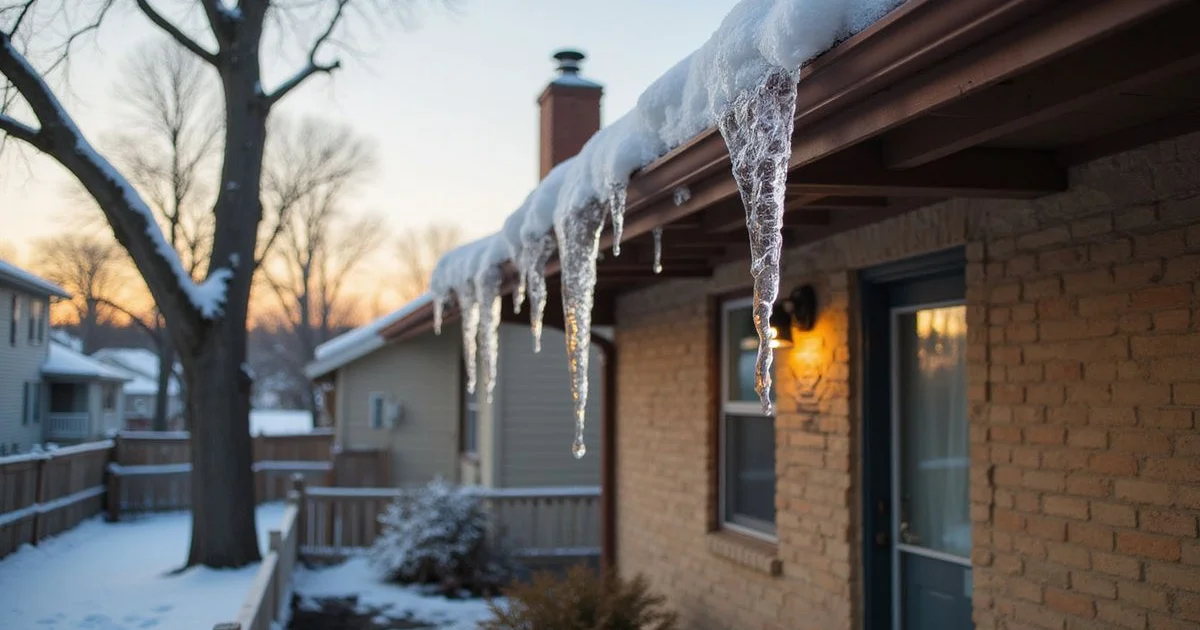
| Ice dams | Heat melts roof snow, which refreezes at the edge | Roof, attic insulation, walls, ceilings |
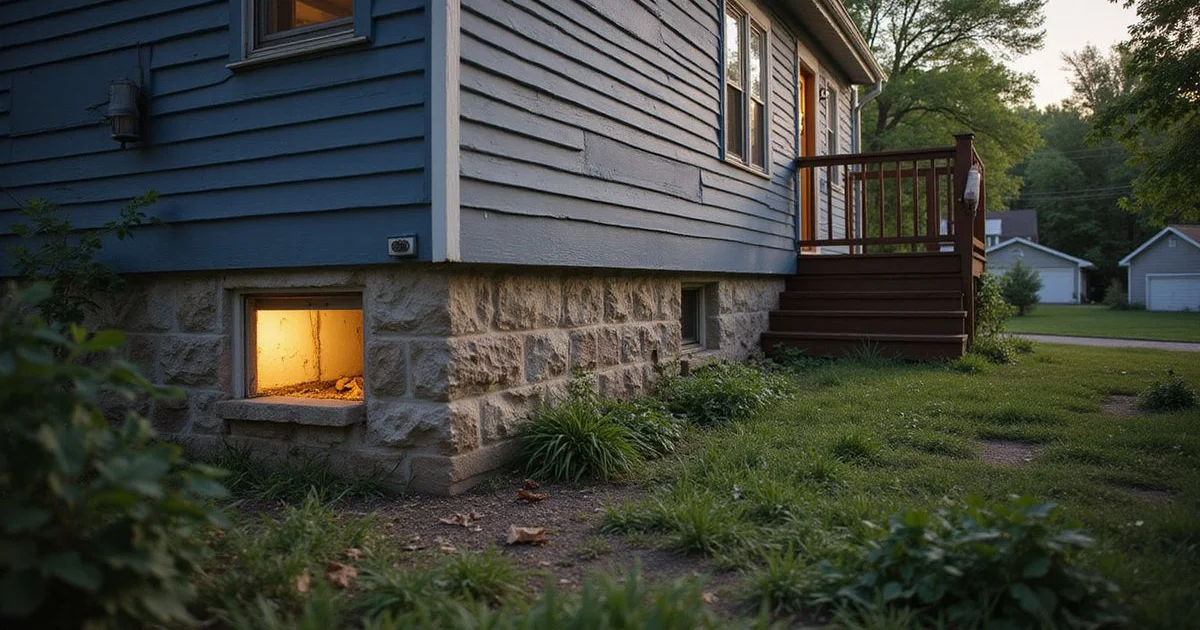
| Freeze-thaw damage | Repeated freezing cracks masonry and concrete | Steps, foundations, chimneys |
| Heating failure | Furnace or boiler stops in an empty house | Plumbing throughout |
| Snow load | Heavy snow stresses roofs | Roof structure |
Our evaluations often uncover secondary problems linked directly to these initial failures. Paying attention to these categories helps you calculate the true repair scope.
Hidden Moisture Is the Real Problem
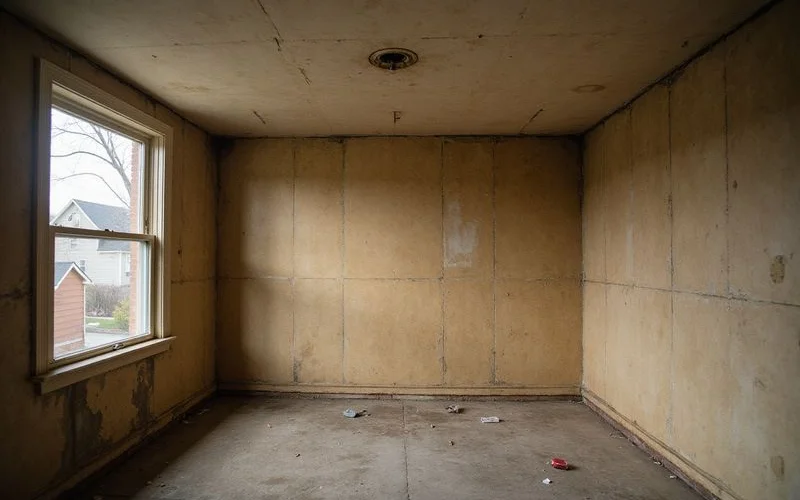
We always warn owners that a stained ceiling is only the tip of the iceberg. The Environmental Protection Agency states that mold begins growing on damp surfaces within just 24 to 48 hours.
Our moisture meters routinely find trapped water inside walls long after the surface feels completely dry. Left alone, that hidden moisture rots the wood framing and creates a hazardous environment.
We strongly recommend hiring a professional mitigation crew for any significant leak. Professional drying equipment removes the moisture before it permanently compromises the home.
Mitigation Before an Evaluation
We advise taking immediate action to stop the bleeding before you even call an appraiser. The American Red Cross recommends keeping your thermostat set to at least 55 degrees Fahrenheit to prevent further pipe freezes.
Our preferred mitigation strategy focuses on stabilization rather than full reconstruction. This means stopping the water and drying the space to protect the existing value of the property.
If damage is recent:
- Stop the source. Shut off the main water valve immediately.
- Remove standing water. Pull up soaked materials like carpet and padding.
- Dry the space. Use commercial fans and dehumidifiers, or hire a local water mitigation company.
- Document everything. Take photos and record dates to show buyers or adjusters.
- Keep heat on. Maintain that 55-degree minimum temperature.
Act quickly, especially in winter
Damage spreads rapidly by the hour. Even if you plan to sell the property without making repairs, stopping the water protects the structural integrity.
Insurance Claims and Selling
We guide many owners through the messy intersection of property insurance and real estate transactions. LexisNexis reports that insurance claims stay on your Comprehensive Loss Underwriting Exchange (CLUE) report for up to seven years.
Our experience shows that how you handle the claim directly impacts the closing process. You need to know exactly where you stand before listing the property.
- No claim filed. You might still have time to file, depending on your specific policy deadlines.
- Claim open. The sale can often proceed if you disclose the status and address the funds in the purchase terms.
- Claim paid, repairs not done. The buyer will likely take on the repairs, and the contract must specify who keeps the insurance payout.
- Claim denied. The market price must reflect the unfixed damage.
We suggest talking with your insurer to clarify how a transfer of ownership affects your open claim. Lenders will also want a say, as your mortgage company is usually named on any settlement checks.
Disclosure
We prioritize complete transparency to protect everyone involved in the sale. Minnesota Statute 513.55 legally requires sellers to disclose all known material facts that could adversely affect a buyer’s use of the property.
Common material facts include:
- Past or present roof leaks.
- Foundation cracks or basement seepage.
- History of burst pipes or ice dams.
Our legal contacts confirm you must reveal these issues, even if you are selling the house in its current condition. Hiding a repaired pipe or a past leak only invites future lawsuits.
We recommend consulting a real estate attorney to understand your specific obligations. Complete disclosure is the safest way to finalize a transaction without looking over your shoulder.
Eligibility to Sell House After Burst Pipes
We buy houses in almost any condition, including those suffering from severe freeze-thaw wear. Ryan Quade grew up right here in Shoreview and attended Summit Academy, bringing deep local expertise to every property evaluation.
Local Expertise Matters
Understanding the Twin Cities climate is essential for accurately pricing winter repairs.
Our direct buying criteria easily accommodate homes that need extensive plumbing overhauls. The evaluation process examines the moisture source, checks for mold growth, and reviews the insurance status to build a fair written offer.
We specialize in helping owners sell house with freeze damage quickly and quietly. Extensive structural failure or highly unsafe conditions might require a different approach, but most standard winter catastrophes fit our model perfectly.
Preventing It Next Time
We want you to avoid repeating this stressful scenario next year. A few simple preparations can save you from filing another costly claim.
Our guide on protecting a vacant home through a Minnesota winter offers a complete checklist for the cold months. Maintaining steady heat, scheduling regular check-ins, and clearing gutters will stop the majority of seasonal destruction.
We are always here to answer your questions about the recovery process. Reaching out for a consultation is the best first step when you need to sell house after burst pipes.
This guide is general information, not legal, tax, or financial advice. Rules change, so confirm current requirements with the official source or a qualified professional.