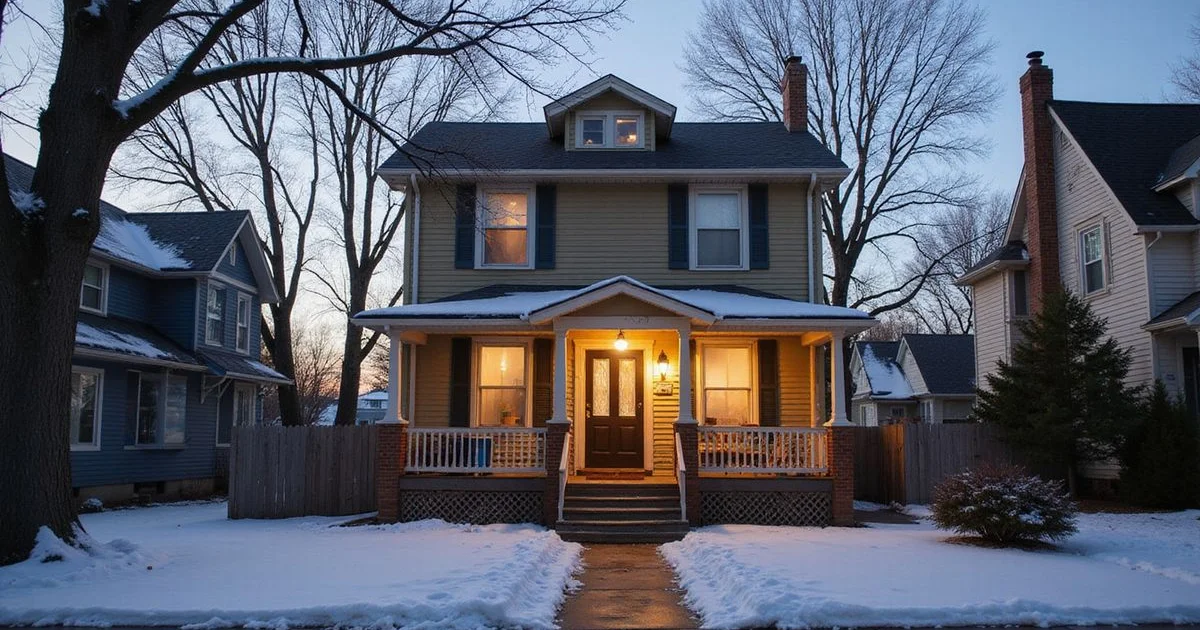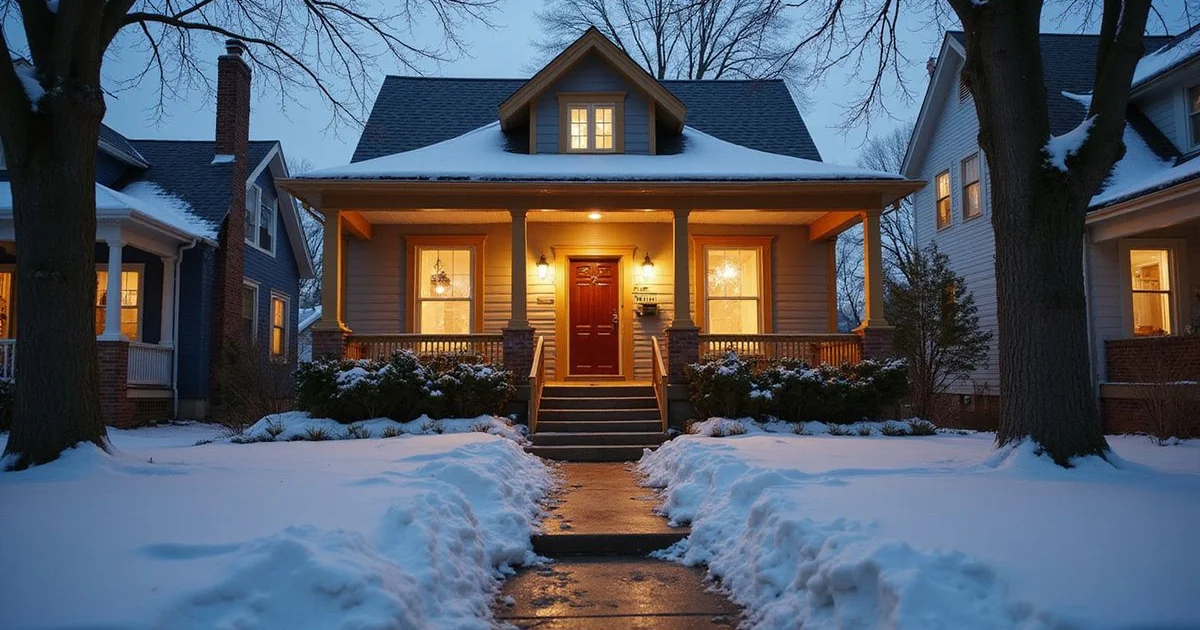
We know that maintaining a vacant property during a Midwest freeze feels intimidating. Market data actually paints a very encouraging picture for sellers right now. Recent 2026 housing reports show that serious buyers stay active year-round. Our team uses this data to offer practical winter home sale tips to help owners make informed decisions. Let’s look at the specific logistics required to protect your asset and keep your transaction on schedule while selling a house in winter Minnesota, including the exact steps for selling your house as-is in Minneapolis.
Can You Sell a House in a Minnesota Winter?
Yes, you can successfully sell a home during the colder months. People buy and sell properties in Minneapolis every month of the year, including January.
We see consistent buyer demand throughout the winter season. Local 2026 real estate data shows that properly priced Minneapolis homes spend an average of just 37 to 41 days on the market. This rapid turnaround proves that motivated buyers do not wait for the spring thaw. Our founder, Ryan Quade, grew up in Shoreview and attended Summit Academy. He knows from experience that a little snow will not deter a serious buyer when you decide to sell a house in winter Minneapolis.
Snow Removal and Safe Access
Anyone coming to see the house needs a safe, clear path inside. The City of Minneapolis strictly enforces winter maintenance rules for all property owners. Single-family homes and duplexes must have their sidewalks cleared within 24 hours after a snowfall ends. Commercial buildings face an even tighter deadline of just four daytime hours.
We strongly advise setting up an automatic plowing contract if the house sits vacant. City inspectors actively monitor compliance and will dispatch crews to clear ignored sidewalks. The average assessed fee for a city-mandated snow cleanup runs around $229 per incident. Our staff always verifies access paths before scheduling any property walk-throughs.
For a walkthrough, that means:
- Clear walks and steps. Shovel the sidewalk, front walk, and steps, and keep ice melt handy.
- Driveway or parking. Make sure there is somewhere to park, especially after a snow emergency.
- Lighting. With early sunsets, porch and entry lights matter for late-afternoon visits.
- Basement and garage access. Make sure doors open and paths stay clear of stored items.
Heat and Frozen-Pipe Precautions
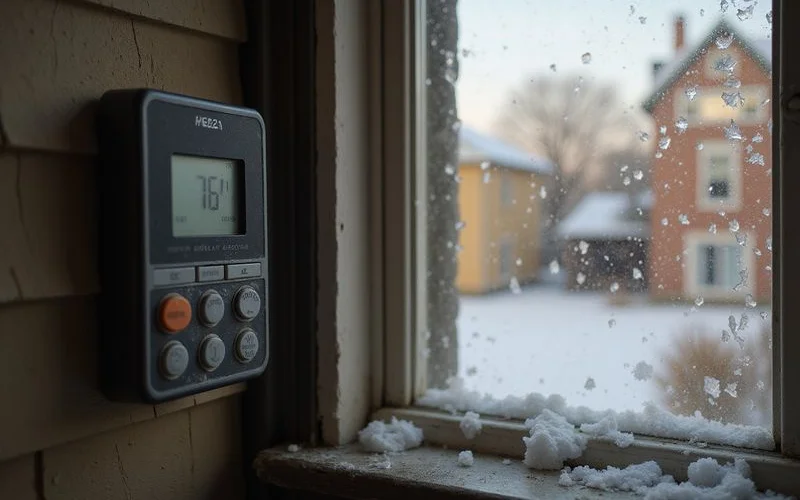
Burst pipes cause some of the absolute costliest winter damage a property can sustain. The average cost to repair a burst pipe in 2026 runs $150 to $250 per linear foot. Full water damage restoration projects easily scale between $1,000 and $6,000.
We urge all sellers to implement strict temperature controls immediately. The EPA warns that harmful mold can begin growing on damp surfaces in as little as 24 to 48 hours. A few simple habits provide a strong defense against these massive repair bills. Our preventative checklist helps keep your plumbing system intact during severe cold snaps.
| Precaution | Why it matters |
|---|---|
| Keep heat on at a safe level | Protects pipes in exterior walls and crawl spaces |
| Open cabinet doors on cold nights | Lets warm air reach pipes under sinks |
| Know your main shut-off valve | Lets you stop water fast if something breaks |
| Check the house after cold snaps | Catches problems before they spread |
| Consider professional winterization | An option for vacant homes, if insurance allows |
If the house is empty, read protecting a vacant home through a Minnesota winter for a longer checklist.
Walkthroughs and Inspections in Cold Weather
Most of what a buyer needs to review sits safely inside the structure. Mechanicals, electrical panels, plumbing fixtures, and foundation walls can be evaluated at any time. Winter weather does obscure a few exterior features.
We remind sellers that home inspectors must follow specific safety protocols. They cannot safely test air conditioning units when the outdoor temperature drops below 60 degrees Fahrenheit, as it damages the compressor. Snow cover also prevents a visual check of the roof shingles and flashing. Our evaluation process accounts for these limitations directly in the initial offer.
Winter hides these specific elements:
- Roofs under snow cannot be fully seen.
- Grading and drainage around the foundation are harder to judge.
- Air conditioning cannot be safely tested in very cold weather.
- Exterior siding and decks may be partly covered.
In a direct sale, Ryan notes these items and explains how they get handled, whether that is a follow-up look in spring or a conservative estimate in the written offer. In a traditional listing, a buyer’s inspector may add similar caveats.
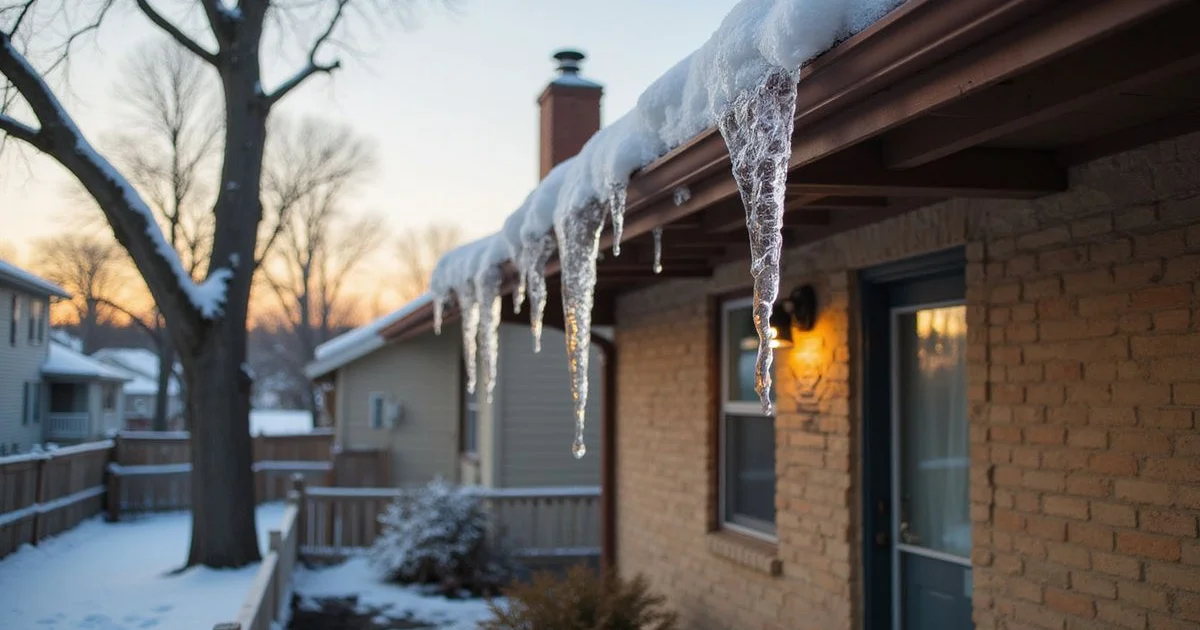
Ice dams are a winter clue
Heavy icicles and ice ridges along the roof edge can point to insulation or ventilation issues. If you’ve had leaks, mention them. Our guide on freeze damage, ice dams, and burst pipes explains how damage affects a sale.
Timing a Winter Sale
Some owners worry winter presents a difficult time to find a buyer. For a retail listing, buyer activity can slow around the holidays, and curb appeal is much harder to show. For a direct sale, the season matters far less, because the offer focuses on condition and comparable sales rather than the yard.
We encourage property owners to calculate their exact holding costs before deciding to wait for spring. Winter utility bills for a standard Minneapolis home often exceed $200 a month just for gas heating from CenterPoint Energy. Adding a professional snow removal service easily costs another $100 to $150 monthly. Our financial tools help clarify these hidden expenses.
If you are deciding between waiting for spring and selling now, weigh the exact cost of holding the house through winter, including heating bills, snow removal, insurance, and the risk of damage. These expenses eat directly into your final profit margin. Our holding cost calculator can help you put a number on it.
Winter Closing Logistics
Closings run through a title company year-round, and the offer contingencies and closing responsibilities are the same in January as in June. A few winter-specific tips make the final step much easier.
We recommend asking your title company about remote online notarization options. Minnesota law allows fully digital closings, meaning you can sign documents from your living room during a blizzard. This flexibility keeps your closing date secure regardless of the forecast. Our preferred title partners utilize remote signing constantly to prevent weather delays.
- Keep utilities on through closing. Shutting off heat before possession can cause damage.
- Plan for weather. Build a little flexibility into signing appointments.
- Agree on possession. Spell out who handles snow removal and heat between closing and possession.
- Ask about remote signing. This keeps things moving if travel in bad weather is hard.
Winter selling just takes a bit more planning. The right preparation removes the stress from the process. We can help you manage the timeline based on your specific situation. Ryan can explain what a winter evaluation and closing would look like for your property, taking the stress out of selling a house in winter Minnesota.
This guide is general information, not legal, tax, or financial advice. Rules change, so confirm current requirements with the official source or a qualified professional.